
Prime Day 2026 Playbook
How brands can win attention, traffic, and sales during Amazon's biggest retail event
Preparation, ads structure, real-time optimisation and creative that converts. What separates brands that scale efficiently through Prime Day from those that overspend for a temporary spike.
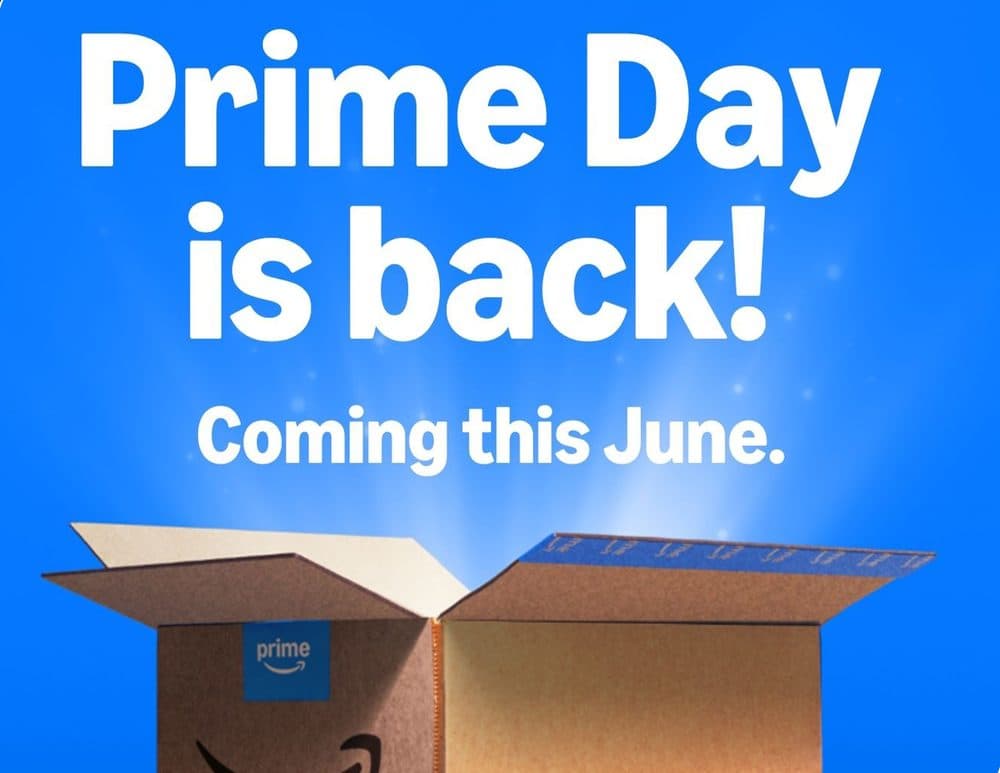
Overview
Prime Day has evolved far beyond a simple discounting event. What began as an Amazon-exclusive promotional period has now become one of the most competitive and commercially significant moments in the e-commerce calendar.
Brands across every category are investing heavily to capture consumer attention during a short window where traffic, purchase intent, and competition all surge simultaneously. Success depends on strategic preparation, operational readiness, compelling creative, and the ability to maximise visibility across multiple touchpoints throughout the customer journey.
The Prime Day Opportunity
Prime Day presents a unique opportunity for brands to accelerate sales, increase product visibility, acquire new customers, and strengthen organic ranking performance on Amazon. The scale of traffic generated during the event creates an environment where brands can drive significant revenue.
Beyond immediate sales impact, Prime Day can also create long-term benefits through improved Best Seller Rank, increased review velocity, stronger branded search volume, and enhanced customer retention opportunities. For many brands, Prime Day is no longer viewed as a short-term promotional event, but as a key strategic milestone within their wider annual plan.
Preparing for Prime Day
Strong Prime Day performance is typically the result of weeks, and often months, of preparation. Brands that leave planning until the final stages frequently struggle with inventory shortages, inefficient advertising spend, rushed creative execution, and under-optimised product listings.
Early preparation allows brands to forecast demand more accurately, refine pricing strategies, improve product detail page conversion rates, and build stronger advertising structures before competition intensifies. It also creates time to test creative assets, review historical performance data, and identify the products most likely to deliver profitable growth during the event.
In a highly competitive environment, preparation often becomes the difference between scaling efficiently and overspending without meaningful returns.
High Performing Ads Strategy
Advertising competition during Prime Day is much higher than during other months, making efficiency and structure critical to success. Brands must balance aggressive visibility strategies with careful budget management to avoid overspending due to inflated CPCs.
Sponsored Products campaigns remain essential for capturing high-intent traffic, while Sponsored Brands Video and DSP activity can help strengthen visibility and reinforce brand presence across the customer journey.
Successful Prime Day advertising strategies are typically built around clear campaign segmentation, strong keyword prioritisation, defensive brand bidding, and real-time optimisation throughout the event.
Real-Time Optimisation
Prime Day is not a "set and forget" event. Performance can shift rapidly throughout the sales period as shopper behaviour changes, competitor activity increases, and certain products gain momentum faster than expected. Brands that actively monitor campaign performance throughout the event are often able to identify opportunities more quickly and improve efficiency in real time.
Adjusting bids, reallocating budget, refining targeting, and prioritising top-performing ASINs can all help maximise return during periods of peak traffic. Operational agility is equally important, particularly when managing stock levels, pricing changes, and promotional visibility. In an environment where conditions change hourly, responsiveness has become one of the most valuable competitive advantages.
Creative That Converts
As more brands compete for visibility during Prime Day, creative quality has become a major differentiator in driving conversion. Shoppers are exposed to thousands of deals within a short period of time, meaning brands must communicate value quickly and clearly across both advertising placements and product detail pages.
Mobile-first imagery, concise messaging, compelling product benefits, and strong visual hierarchy all play a critical role in improving engagement and conversion rates.
Video content is also becoming increasingly important across Amazon, helping brands demonstrate product value more effectively within crowded search environments. During high-pressure shopping moments, clear and conversion-focused creative can often outperform larger advertising budgets alone.
Protecting Profitability
While Prime Day can generate substantial revenue growth, it can also create significant pressure on profitability if campaigns are not managed carefully. Big discounting and rising ads costs can quickly reduce margins, particularly for brands chasing short-term sales volume at any cost.
Successful strategies focus not only on revenue growth, but also on maintaining sustainable performance across multiple areas. Brands that approach Prime Day strategically are better positioned to drive long-term value rather than simply achieving temporary sales spikes that are difficult to sustain after the event ends.
The Future of Prime Day
Prime Day continues to evolve into a broader commerce and media event that extends far beyond Amazon. Consumer expectations are changing rapidly, with shoppers increasingly influenced by content, creators, reviews, and cross-platform discovery before purchasing. At the same time, Amazon continues to expand its advertising ecosystem, introducing new formats and placements that create opportunities and complexity for brands.
As competition intensifies year after year, the brands that succeed will be those that combine operational excellence with strong creative, agile ads management, and a clear understanding of changing consumer behaviour.
Conclusion
Prime Day 2026 will present brands with one of the biggest opportunities and one of the biggest challenges in the e-commerce calendar. As competition continues to intensify, success will depend on far more than discounts alone. Brands that prepare early, invest in strong creative, optimise advertising strategically, and remain agile throughout the event will be best positioned to maximise both sales performance and long-term growth.
Prime Day is no longer simply a short-term revenue spike; it has become a critical moment for brands to strengthen visibility, acquire new customers, and build momentum that extends well beyond the event itself.