
How AI Assistants Are Changing Product Discovery and Shopping on Amazon and TikTok Shop
Discovery may begin on social platforms, evaluation increasingly happens through AI assistants, and the purchase still lands on a marketplace. What that three-way split means for brands on Amazon and TikTok Shop.
Overview
AI tools are beginning to influence not only how consumers discover products, but also how they shop. Instead of manually browsing product listings or researching reviews, shoppers can ask AI assistants for recommendations and receive curated answers within seconds.
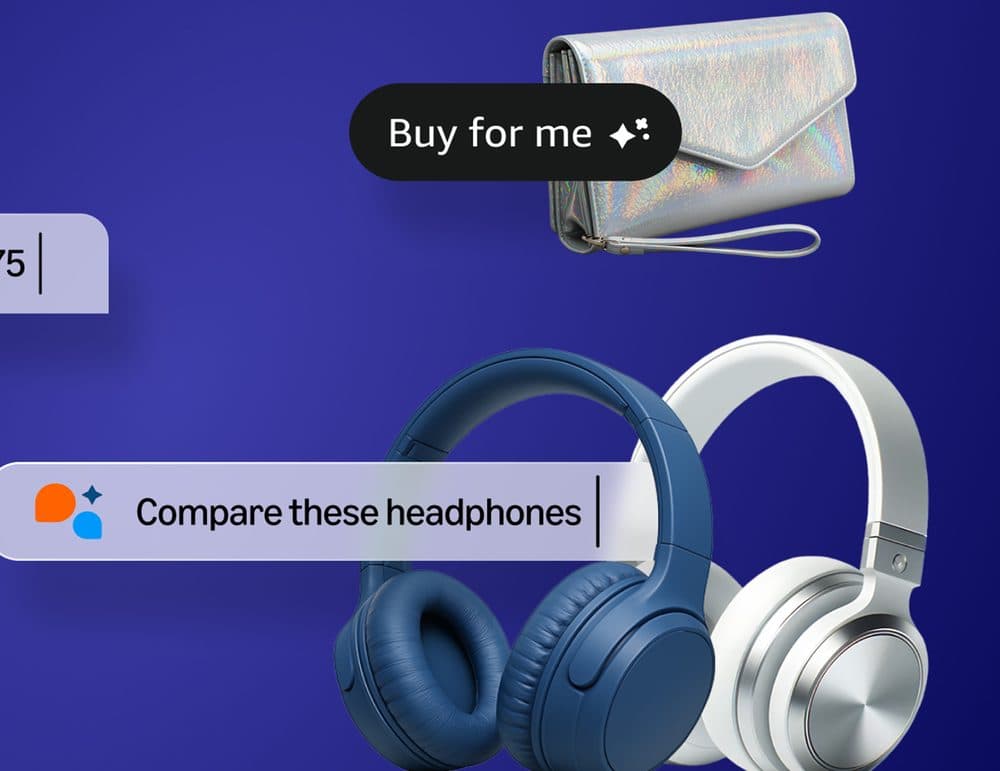
Amazon has already introduced its own AI shopping assistant, Amazon's Rufus, designed to help customers ask questions about products, compare options, and receive tailored suggestions while browsing the marketplace.
At the same time, social platforms like TikTok continue to drive product discovery through creator-led content and viral trends, with TikTok Shop enabling consumers to purchase products instantly within the app.
Together, these developments are changing e-commerce. Discovery may begin on social platforms, evaluation may increasingly happen using AI assistants, and shopping often still occurs on marketplaces.
From Search to AI Discovery
Traditional e-commerce discovery is built around search behaviour. Consumers type keywords into a search bar and browse through a list of results to find the best option. On Amazon, success has historically depended on ranking well for high-intent keywords, supported by strong reviews, optimised listings, and advertising spend.
TikTok, however, has introduced a different model. Products are discovered through content rather than search. A viral video or creator recommendation can rapidly generate demand for a product, often leading users directly to TikTok Shop via a yellow basket on the video, or Amazon to complete the purchase.
AI assistants introduce a third discovery pathway. Instead of searching or scrolling, consumers can ask questions such as "What's the best moisturiser for sensitive skin?" or "Which air fryer is best for a small kitchen?".
AI tools can then analyse product information, customer reviews, and online content before recommending a small number of products. This fundamentally changes discovery. Rather than competing for a place on the first page of search results, brands may increasingly compete for inclusion within AI-generated recommendations, which then highlights how essential answering consumer questions on product detail pages via descriptions, imagery and video really is.
How AI is Changing Shopping
AI is not only influencing which products consumers discover, it is also transforming how they make purchase decisions. Tools like Amazon Rufus allow shoppers to ask detailed questions about products while browsing Amazon. For example, a customer might ask:
- Is this blender good for making smoothies?
- What do people say about the battery life?
Instead of manually reading through product descriptions and hundreds of reviews, Rufus can summarise information and highlight key insights directly within the shopping experience. This reduces friction in the buying journey and helps customers make decisions more quickly.
Clear product descriptions, structured information, and well-written bullet points help AI assistants understand product features and present them accurately to potential buyers.
The Role of TikTok
While AI is transforming the evaluation stage of shopping, TikTok remains one of the most powerful drivers of product discovery.
Products frequently gain popularity through creator-led demonstrations, reviews, and viral trends. In many cases, consumers first encounter a product through a TikTok video before searching for it on Amazon or purchasing it through TikTok Shop.
This type of content provides valuable signals that influence how products are perceived and in the end, purchased or not.
Creator demonstrations, user reviews, and product tutorials contribute to the broader body of information that AI systems analyse when generating recommendations. If a product consistently appears in positive creator content and user discussions, it can strengthen the product's credibility.
TikTok Shop also shortens the path from discovery to purchase. Consumers can watch a product demonstration and complete a purchase without leaving the app.
Preparing for AI Shopping
Although AI shopping is still evolving, brands can take several practical steps now to prepare for this shift.
First, brands should prioritise high-quality product listings on Amazon. Clear bullet points, detailed descriptions, and structured product attributes help AI assistants understand and communicate product benefits effectively.
Second, customer reviews and ratings remain one of the most powerful signals in ecommerce. Encouraging genuine feedback and maintaining strong product quality will improve both marketplace performance and AI interpretation.
Third, brands should invest in content and creator partnerships on TikTok. Authentic product demonstrations and creator reviews not only drive awareness but also contribute to the broader digital signals that influence AI recommendations.
Conclusion
Artificial intelligence is beginning to reshape the e-commerce landscape by influencing both how products are discovered and how they are evaluated during the shopping process.
Social platforms like TikTok continue to drive product awareness through creator-led content, while AI assistants help consumers navigate product choices more efficiently.
Meanwhile, marketplaces such as Amazon remain central to transactions, with tools like Amazon Rufus enhancing the way shoppers research and compare products within the platform.
For brands, success will require more than traditional marketplace optimisation. It will depend on strong product information, positive customer reviews and online presence, and engaging social content.
The brands that understand how discovery, evaluation, and purchase are becoming interconnected across TikTok, AI assistants, and Amazon will be best positioned to thrive in the next era of e-commerce.